
Stump Grinding vs. Stump Removal in Dallas
What is the difference between stump grinding and complete stump removal? Stump grinding uses a motorized cutting wheel to shred the stump down 6 to 12 inches below ground level, leaving the deep subterranean root system to slowly decay naturally under the soil. Full stump removal (excavation) physically rips the entire root ball out of the earth using a backhoe or mini-excavator. For the vast majority of residential yards in Dallas, mechanical grinding is the preferred, turf-safe approach, while excavation is reserved for foundation additions, civil trenching, or swimming pool construction.
After completing a tree removal in Dallas project, property owners face an immediate choice: should the remaining stump be ground down below turf level, excavated out of the earth entirely, or left to rot naturally? Navigating stump removal options requires weighing yard access, the risk to buried irrigation lines, how much disruption your turf can tolerate, and your future landscaping plans.
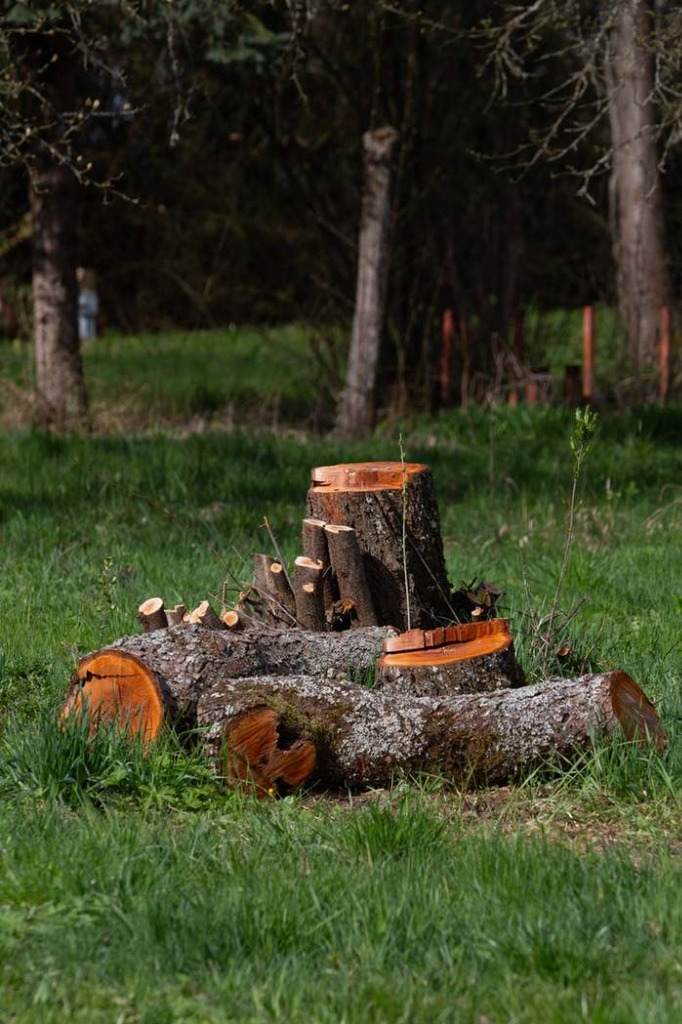
Detailed Comparison: Grinding vs. Excavation vs. Natural Decay
1. Mechanical Stump Grinding
Commercial stump grinding utilizes self-propelled equipment equipped with a high-torque rotating wheel featuring carbide cutting teeth. The operator sweeps the wheel across the stump, shaving the wood down into fine wood chips layer by layer.
- What is removed: The above-ground trunk flare and the central root collar down to approximately 6 to 12 inches subterranean depth. Technicians can also grind visible lateral surface roots that cross the lawn.
- What remains underground: Deep anchoring roots and subterranean lateral roots remain beneath the ground. They are left in place to decompose naturally over subsequent seasons.
- Yard impact: Minimal. Portable machines pass through standard 36-inch backyard fence gates on rubber tires or tracks without destroying surrounding turf.
2. Mechanical Root Ball Excavation
Full stump excavation involves heavy earthmoving machinery—such as a compact track loader, backhoe, or 5-ton excavator. The operator digs a wide trench around the circumference of the tree, severs major structural roots with hydraulic buckets or root saws, and levers the entire root mass out of the ground.
- What is removed: The complete woody stump and the primary structural root plate.
- What remains underground: Only severed radial root tips extending far into the surrounding yard.
- Yard impact: High. Extracting a mature oak or cedar elm root ball leaves a massive crater often 6 to 10 feet wide and several feet deep, requiring multiple cubic yards of imported soil, heavy soil compaction, and complete lawn re-sodding.
3. Natural Decay & Chemical Products
Homeowners frequently search for natural removal or easy removal methods using over-the-counter potassium nitrate granules, Epsom salts, or biological rotting inoculants. While marketed as simple solutions, natural decomposition has practical limitations:
- Prolonged Timeline: In North Texas, dense native hardwoods like Live Oak, Cedar Elm, and Osage Orange possess highly rot-resistant heartwood. Even with drilled aeration holes and chemical accelerants, natural breakdown takes years.
- Pest Harborage: A slowly rotting stump retains moisture and soft cellulose, creating prime nesting habitat for subterranean termites, carpenter ants, and wood-boring beetles that can migrate toward homes.
- Safety Risks: Never use dangerous DIY methods such as pouring diesel, motor oil, or lighting charcoal on a stump in suburban neighborhoods. Underground root fires can smolder undetected in dry soil for days, creating subterranean burn pockets or damaging underground utility conduits.
Decision Matrix: Grinding vs. Excavation vs. Natural Decay
| Feature | Commercial Stump Grinding | Full Excavation | Natural Decay |
|---|---|---|---|
| Physical Result | Stump pulverized 6–12" below grade; surface smoothed | Entire root ball ripped from ground; large hole created | Stump remains above ground while slowly softening |
| Underground Roots | Deep roots remain to decay naturally in place | Primary root ball fully removed; deep roots severed | Complete root system remains intact |
| Equipment Access Needed | Compact machine; fits through 36" pedestrian gates | Heavy excavator; requires wide fence removal & clear path | No machinery required |
| Debris Produced | Mulch and wood chip pile mixed with native soil | Multi-ton root ball with attached clay soil mass | None initially; slow wood crumbling over time |
| Yard Disturbance | Low; localized to the grinding zone | Severe; turf compaction and excavation crater | Zero equipment impact; prolonged tripping hazard |
| Future Site Use | Ideal for sod, flower beds, or ground cover | Mandatory for pool construction, foundations, or footing | Site cannot be repurposed until fully rotted |
Property Constraints to Assess Before Work Begins
Before a contractor brings equipment onto your Dallas property, several site factors must be verified:
- Underground Utilities: Buried electric, natural gas, communication cables, or city water lines frequently share easements with residential trees. Texas 811 utility locating must be requested before grinding below grade or digging.
- Lawn Sprinkler Infrastructure: Shallow PVC lateral lines, drip tubes, and sprinkler heads often run right alongside tree roots. Mark visible heads with flags before the operator begins grinding.
- Fences and Access Gates: Confirm the minimum gate width between your driveway and the backyard. Most commercial walk-behind and remote-controlled grinders require at least 36 inches of clearance.
- Future Planting Goals: If you plan on planting a new tree, review our tree planting services in Dallas guide. Because subterranean grinding leaves decomposed wood shavings that tie up soil nitrogen, replacement trees should generally be positioned 3 to 5 feet away from the original stump center.
What Influences Stump Remediation Quotes?
Stump quotes are generally determined by measurable site variables rather than flat fees:
- Diameter Across the Flare: Stumps are measured at the widest ground-level flare where roots meet the trunk, not at the higher cut level.
- Wood Density & Hardness: Softwoods grind rapidly; mature Texas Live Oaks and Osage Orange require slower cutting passes and sharper carbide teeth.
- Surface Root Chasing: Shaving major exposed lateral roots spreading across turf requires additional machine passes.
- Debris Inclusions: Basic quotes typically leave the nutrient-rich wood chips mounded neatly in the hole for backfill. Hauling off excess wood grindings or importing fresh topsoil and sod involves additional labor and disposal fees.
Connect With Independent Dallas Stump Specialists
Have an unsightly stump cluttering your lawn or interfering with landscape plans? Call our Dallas referral desk at (945) 888-0370. We connect you with equipped independent tree contractors who can evaluate your site and provide a clear written estimate.
Frequently Asked Questions
Will a tree regrow after the stump is ground down?
For most tree species, grinding 6 to 12 inches below grade destroys the growing root collar, preventing regrowth. However, vigorous sprout-forming species (such as Crape Myrtle, Elm, or Willow) may occasionally produce small root suckers from remaining lateral roots. These can be clipped at the ground level or treated with targeted brush control as roots exhaust their stored starch reserves.
What should I do with the wood chips left after grinding?
The ground shavings will initially form a mound larger than the original hole due to the aeration of shredded wood. You can use excess wood mulch in landscape planting beds, rake it smooth over the hole to settle over several weeks, or request that the contractor haul off excess shavings for an additional fee.
Can I plant grass immediately after stump grinding?
Yes, provided the hole is properly prepped. Rake out the bulk of pure wood chips so that soil contact is established, fill the remaining depression with a blend of native topsoil and compost, tamp lightly to prevent future sinking, and lay fresh Bermuda or St. Augustine sod over the area.