
Stump Removal & Stump Grinding in Dallas, TX
What is the difference between stump grinding and complete stump excavation? Stump grinding uses a commercial high-speed rotating cutting wheel equipped with carbide teeth to pulverize the stump 6 to 12 inches below ground level, leaving the deep root system to naturally decompose beneath the surface without damaging surrounding turf or underground utility lines. Full stump excavation, by contrast, physically digs out the entire subterranean root ball with a heavy excavator or backhoe, creating a large crater. For residential and commercial Dallas properties, mechanical stump grinding is the preferred, turf-safe, and cost-effective method.
After cutting down a tree, the remaining stump is an unsightly obstacle that can harbor pests and damage lawn care equipment. When you require professional stump removal in Dallas or want to bundle tree and stump removal in Dallas into a single seamless project, Dallas Tree Removal Pros connects you with equipped local specialists. For complete whole-tree cutting, see our main guide to tree removal Dallas.
Methods Offered: Grinding vs. Excavation vs. Natural Decay
Understanding the available methods helps you choose the right approach for your landscape:
- Commercial Stump Grinding (Recommended): Using self-propelled hydraulic grinders, technicians grind the stump collar 6 to 12+ inches subterranean. Major lateral surface roots spreading across your yard can also be "chased" and shaved smooth, allowing you to establish new sod immediately.
- Mechanical Root Ball Excavation: Utilizing heavy backhoes or excavators to rip the entire root mass out of the earth. This method is typically reserved for commercial construction sites, foundation excavations, or pool installations where subsurface soil must be completely cleared.
- "Natural Stump Removal" & Decomposition (Comparison): Property owners sometimes consider chemical rot accelerators or waiting for natural decay. In North Texas, natural decomposition of dense hardwoods like Live Oak or Osage Orange can take many years. During that prolonged decay period, slowly rotting wood can attract insects and wood-boring pests. Mechanical grinding rapidly removes the above-ground hazard and substantially reduces pest harborage.
For an in-depth comparison of physical disturbance, subterranean root management, and replanting feasibility across each approach, read our comprehensive guide on stump grinding vs. stump removal in Dallas.
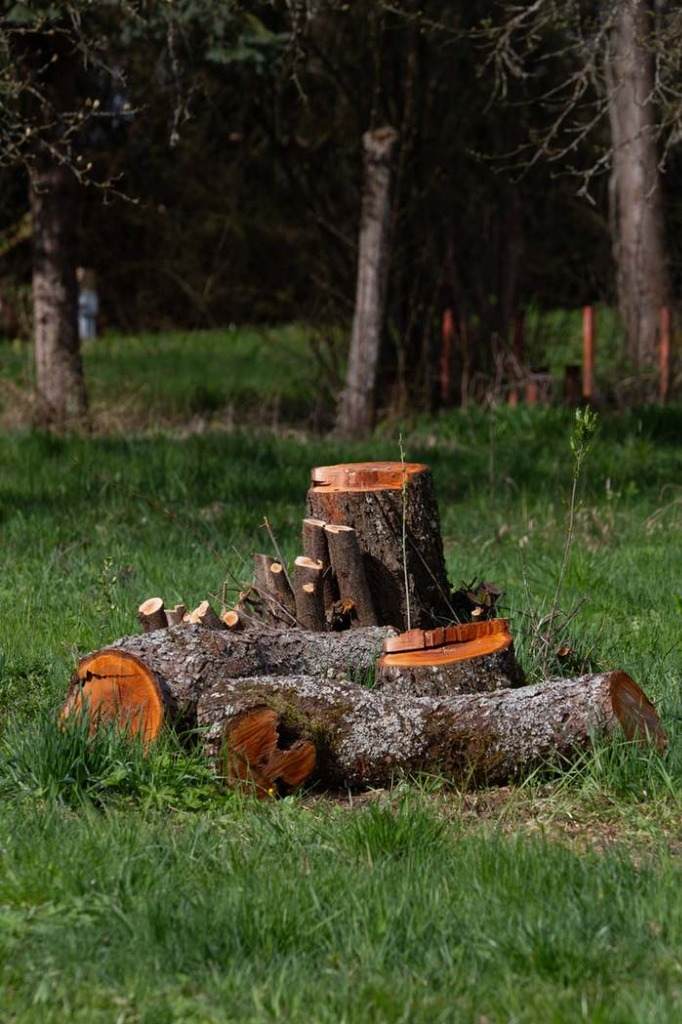
Assessing Remaining Stumps & Site Conditions
When a tree has been cut down, the remaining stump and surrounding logs require evaluation before grinding machinery is brought in. Specialists assess the diameter across the flare, the presence of surface roots extending into the lawn, and any proximity to sprinkler lines or underground utilities.
This assessment ensures the cutting wheel can pulverize the stump safely below grade without damaging surrounding turf or buried irrigation.
Why Dallas Homeowners Choose to Remove Stumps
- Prevent Termite & Pest Infestations: Damp, decomposing stumps in North Texas soil create ideal nesting grounds for subterranean termites. Eliminating stumps removes a major food source near your home.
- Eliminate Tripping & Mowing Hazards: Protruding stumps and raised surface roots ruin lawn mower blades, puncture tires, and pose serious liability hazards for children and guests.
- Stop Sucker Sprouting & Regrowth: Tenacious native Texas species—including Live Oaks, Hackberries, and Crepe Myrtles—continue sending nutrients to root systems, generating aggressive suckers that choke flowerbeds and grass.
- Reclaim Yard Space for Landscaping: Grinding the stump below grade allows you to backfill with topsoil and lay fresh St. Augustine, Bermuda, or Zoysia sod.
Equipment Access & Backyard Gate Requirements
Dallas residential neighborhoods often have narrow side gates. Partner contractors operate compact, self-propelled hydraulic stump grinders specifically engineered to pass through standard 36-inch pedestrian gates. For open commercial parcels and large ranch properties, heavy tow-behind grinders deliver high-production power. Crews also verify Texas 811 utility markings prior to subterranean work to protect underground gas and electrical conduits.
Debris Handling & Ground Restoration Scope
Grinding a mature stump produces a significant volume of rich wood chips and mulch mixed with topsoil. Your estimate can be structured around your landscaping goals:
- Mulch Backfill (Standard): The wood mulch is neatly raked into the excavated depression and mounded slightly to allow for natural settling over time. Excess mulch can be used as organic ground cover around landscape beds.
- Mulch Haul-Off & Topsoil Fill (Optional Add-On): Ground crews remove all excess wood chips, backfill the depression with screened loam topsoil, and tamp the soil flat so fresh turf sod can be installed right away.
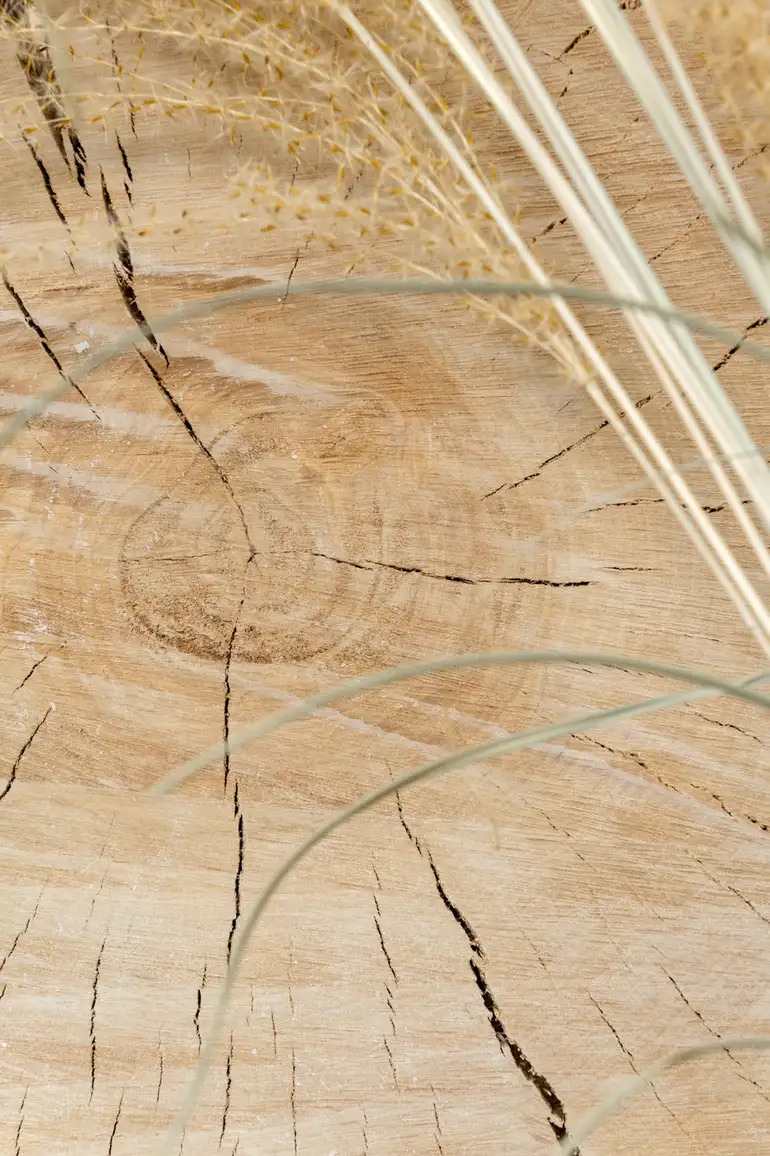
Dense Hardwood Stumps & Root Core Depth
Mature native Texas species such as Live Oaks, Post Oaks, and Osage Orange possess extremely dense heartwood rings. Inspecting the ring pattern, center density, and taproot structure helps technicians select the proper carbide cutting teeth and grinding depth for thorough subterranean obliteration.
Deep grinding ensures no dense core remnants remain to obstruct future landscape grading or turf installation.
Did an uprooted tree leave a massive root ball exposed after a severe storm? Visit our emergency tree service page, or learn how to pair your service with complete hazardous tree removal.
Schedule an On-Site Stump Removal Estimate
Ready to eliminate unsightly stumps and protect your lawn? Call Dallas Tree Removal Pros at (945) 888-0370 to connect with an equipped stump grinding specialist in your Dallas neighborhood.
Frequently Asked Questions About Stump Removal
How deep does professional stump grinding go?
Standard grinding depth ranges from 6 to 12 inches below ground level, which is more than sufficient to eliminate visible collar wood, prevent sucker sprouting, and install fresh turf grass or flowerbeds. Deeper grinding (14 to 18 inches) can be performed upon request if major replanting or hardscaping is planned.
Can I plant a new tree directly in the spot where a stump was ground?
While the stump itself is ground below grade, deep subsurface taproots remain in the soil and decompose slowly. Arborists recommend planting a new replacement tree at least 3 to 5 feet away from the original stump location so the new sapling has fresh, unobstructed root space and optimal soil nutrients.
How is stump removal priced in Dallas?
Pricing is primarily determined by the diameter of the stump measured at its widest point at ground level (including the root flare), accessibility (e.g. narrow gate access), tree species hardness (dense Live Oak vs. soft Pine), and whether root chasing and mulch haul-off are requested. Bundling stump grinding with tree removal provides the greatest overall cost savings.