
Tree Trimming & Pruning in Dallas, TX
Why is tree trimming in Dallas essential for landscape health and safety? Professional tree trimming Dallas property owners schedule serves two critical functions: promoting long-term tree vigor and protecting structures from storm hazards. In North Texas, mature trees face severe stress from summer heat waves, high spring thunderstorm gusts, and winter ice storms. Pruning to ANSI A300 standards thins heavy canopies to reduce wind resistance, removes decaying deadwood, raises clearance over roofs and sidewalks, and prevents disease transmission.
Whether your property requires targeted tree limb removal overhanging a roofline, selective tree branch removal, or a complete whole-canopy tree pruning service in Dallas, Dallas Tree Removal Pros connects you with experienced local tree specialists. For severe hazards beyond saving, explore our main guide to tree removal in Dallas.
Core Goals and Scope of Dallas Tree Pruning
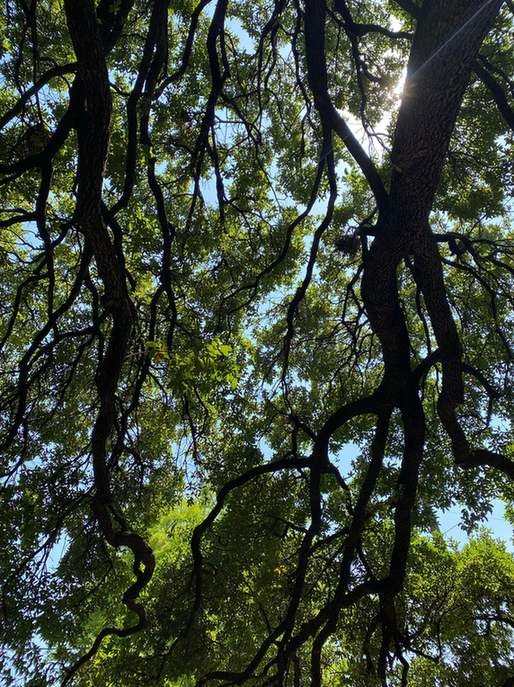
Quality tree maintenance is never about arbitrary branch lopping. Professional crews follow scientific pruning methodologies tailored to the size and condition of each tree:
- Crown Thinning: Selectively removing secondary live branches throughout the outer canopy to reduce wind sail and weight while allowing vital sunlight and air circulation to reach interior foliage.
- Crown Cleaning & Deadwooding: Systematically extracting diseased, dying, or broken branches before high winds knock them down.
- Canopy Elevation: Raising lower branches to provide overhead clearance for streets and roofs.
Additional specialized pruning techniques tailored for North Texas trees include:
- Crown Reduction: Carefully pruning terminal branches back to healthy lateral growth to decrease total canopy spread and relieve mechanical stress on weak trunk unions. For split trunks, consider structural tree cabling and bracing.
- Selective Tree Limb Removal: Safely removing individual heavy limbs that threaten chimneys, air conditioning units, pool enclosures, or utility lines.
Species-Specific Dallas Tree Trimming Expertise
Different North Texas tree species require distinct pruning timing and techniques to thrive:
1. Live Oaks & Red Oaks (Texas Oak Wilt Protection)
Oak Wilt (Ceratocystis fagacearum) is a destructive vascular fungus responsible for killing tens of thousands of oaks across Central and North Texas. The fungus is spread by tiny sap-feeding nitidulid beetles drawn to fresh pruning wounds. To protect your trees:
- Pruning Timing: The Texas A&M Forest Service strongly advises avoiding pruning oaks between February 1st and June 30th when beetle activity is highest. The safest windows are during the coldest winter dormancy (mid-December through January) or during the peak heat of mid-summer.
- Mandatory Wound Painting: Every cut made on an oak tree—regardless of branch size—must be immediately sealed with wound dressing spray or non-toxic lacquer within minutes of cutting.
2. Cedar Elms (Tight V-Crotch Pruning)
Cedar Elms frequently develop narrow V-shaped branch unions with included bark. These weak unions are prone to splitting down the center during severe squall lines. Targeted pruning thins heavy foliage on competing stems to relieve leverage pressure.
3. Pecan Trees (Summer Limb Drop Prevention)
Mature Pecans produce heavy crops of nuts on long, horizontal branches with brittle wood. During hot, dry summer stretches, these limbs can experience sudden limb drop. Pruning reduces end-weight on long lateral boughs, keeping your property safe.
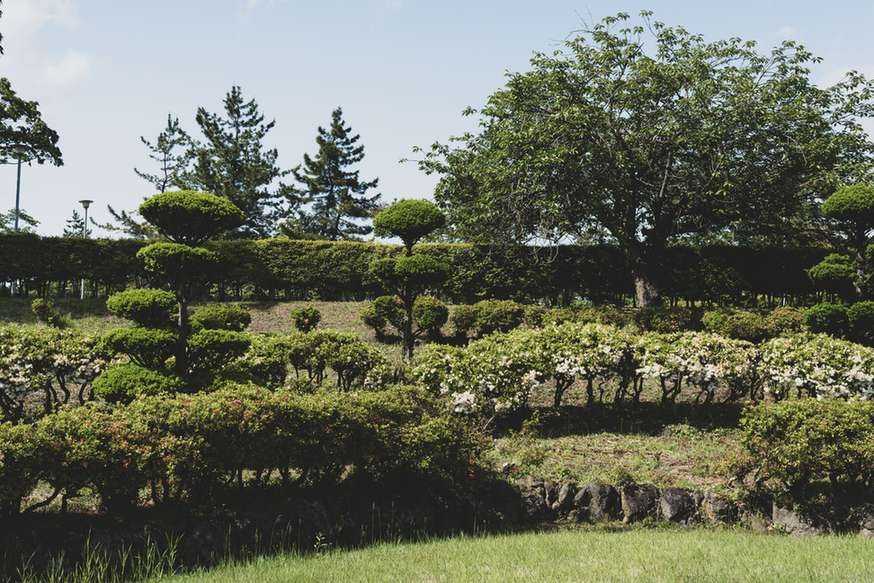
Ornamental Pruning & Garden Shrub Shaping
Beyond large canopy shade trees, manicured landscapes often include ornamental specimen trees, formal hedges, and sculpted garden shrubs. Regular seasonal trimming maintains clean architectural lines, stimulates balanced density, and prevents overgrown branches from crowding walkways and exterior walls.
Crews utilize precision shears and hedge trimmers to cultivate vibrant foliage while preserving plant health across residential and commercial properties.
Palm Tree Trimming & Pruning in Dallas
Maintaining palms requires a fundamentally different biological approach than pruning branching North Texas shade trees. Hardwoods develop lateral branch collars that compartmentalize decay, whereas palms are monocots with a single apical growing bud at the top of an unbranched fibrous trunk. Before undertaking palm tree trimming in Dallas, independent tree specialists evaluate the specific palm species (such as Windmill, Texas Sabal, or Fan palms), current physical vigor, and the exact objective of pruning.
Key considerations during a palm maintenance assessment include:
- Protecting Healthy Foliage: University extension guidelines and ISA arboricultural standards advise against excessive removal of green fronds (often marketed as "hurricane cutting"). Stripping green canopy deprives palms of essential photosynthetic energy and can induce potassium deficiency or trunk narrowing. Responsible palm tree pruning in Dallas preserves fronds that sit horizontally or point upward.
- Removing Dead or Damaged Fronds: Pruning should focus on extracting fully desiccated, brown fronds and heavy seed pods that create fire hazards, harbor pests, or drop unexpectedly over high-traffic areas.
- Access, Structures & Cleanup: Dallas palms frequently frame backyard swimming pools, patios, and fence lines. Ground crews confirm clearance around pool filtration equipment and ensure fibrous, stringy frond debris is completely hauled off-site.
If your palm suffered severe winter freeze injury or exhibits crown discoloration, property owners should request a comprehensive condition assessment rather than assuming that pruning alone will resolve the issue. In situations where an underlying pathogen or nutrient imbalance is suspected, explore our tree health care in Dallas program or arrange an expert arborist consultation in Dallas. Where trunk decay or structural instability makes preservation unviable, reference our guide to tree removal in Dallas. Call (945) 888-0370 to discuss palm-tree trimming needs and available provider options.
The Assessment, Pruning, and Cleanup Workflow
When you arrange tree trimming Dallas TX property visits through our network, the service follows a dependable workflow:
- On-Site Evaluation: The tree specialist examines tree structure, species vulnerabilities, deadwood distribution, and surrounding clearances before providing an itemized estimate.
- Safety Staging: Crews verify overhead power lines, deploy protective ground mats, and set up safe drop zones.
- Controlled Pruning: Experienced aerial climbers and bucket operators make clean collar cuts without damaging the branch bark ridge, ensuring natural wound closure.
- Complete Chipping & Debris Cleanup: All severed branches are chipped on-site, twigs are raked from the lawn, and hard surfaces are power-blown clean.
If severe storms have already snapped limbs across your yard, visit our storm damage cleanup page. If an unpruned tree has collapsed onto a structure, call our emergency tree service line immediately.
Request an On-Site Tree Trimming Estimate
Protect your Dallas trees and enhance their structural beauty. Call (945) 888-0370 to arrange an on-site pruning evaluation from an experienced local tree care contractor.
Frequently Asked Questions About Tree Trimming in Dallas
Why is "tree topping" harmful to trees?
Tree topping (cutting large limbs back to stubs) severely injures the tree, starves it of photosynthesizing canopy, and triggers rapid growth of weakly attached "water sprouts" that break easily during moderate winds. Professional contractors utilize proper crown reduction rather than topping.
How frequently should trees be trimmed in Dallas?
Most mature hardwoods—including Live Oaks, Pecans, and Cedar Elms—benefit from a thorough pruning every 3 to 5 years. Fast-growing or brittle trees such as Bradford Pears may need maintenance every 2 to 3 years to maintain structural balance.
Can I trim branches that overhang my fence from a neighbor's tree?
Under Texas law, property owners generally have the right to trim branches back to their property boundary line, provided the pruning does not cause severe harm or death to the neighbor's tree. Communicating with your neighbor before scheduling work is always recommended.